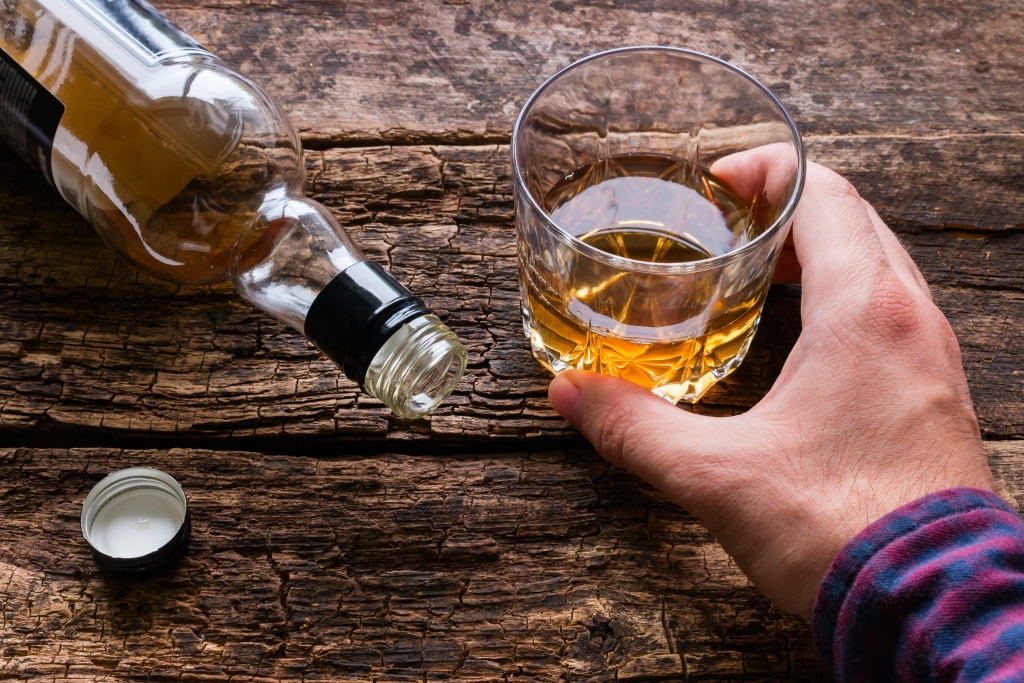
If choosing to consume alcohol, start with very small amounts and closely monitor your body’s reaction. COVID-19 can trigger a significant inflammatory response in the body, including the release of cytokines. This heightened state of inflammation may increase sensitivity to alcohol and other substances. It’s safe to say an intolerance to alcohol isn’t the worst of COVID or long COVID symptoms, but it can take away the “happy” in happy hour and generally impact your social life (if it revolves around alcohol at all).
Q: Is there a connection between long COVID and alcohol intolerance?
Maintain proper hydration and focus on a balanced, nutrient-rich diet to support overall health and recovery from long COVID. As we delve into this topic, it’s important to note that research is ongoing, and our understanding of long COVID and its various effects on the body is still evolving. However, by examining the current evidence and expert opinions, we can shed light on this intriguing aspect of post-COVID health. Drinking alcohol with long COVID symptoms is not recommended; it can exacerbate symptoms and prolong recovery. Long COVID continues to be studied, but there have been reports of individuals developing a sudden intolerance to alcohol, possibly due to COVID-19. The liver processes everything we consume, including alcohol, so when the organ is injured or weakened in any way, it becomes vulnerable to further injury when exposed to toxins, like alcohol, Komaroff said.
So just to clarify, this is long covid alcohol intolerance a second dose of that most recent iteration of Pfizer, Moderna or Novavax vaccine that were introduced in the fall. Remember, seeking medical attention and connecting with others living with long COVID are essential to your recovery journey. We recently launched our in-app chatbot, Melody, powered by the world’s most powerful AI technology. There may not be any immediate effects, but quitting or cutting back on alcohol is recommended for our overall health. The condition doesn’t go away, but people can manage it by avoiding booze of all kinds. People of Asian descent are more likely to have the genetic mutation, so they have the condition at greater rates compared with other racial groups.
One of the emerging concerns is the development of alcohol intolerance following long COVID recovery. This may help to explain reports of having worsened hangovers during post-acute COVID-19. The peer-reviewed study by researchers at Stanford University concluded that SARS-CoV-2 infection could be related to increased alcohol sensitivity.
“My first few drinks, I was like, ‘oh well, this is just my long COVID pain.’ But when I would have a glass of wine with dinner, I’d feel terrible again,” the Arkansas resident said. “So it finally dawned on me that even small sips of alcoholic drinks were exasperating my symptoms quite a lot.” Harmon now avoids alcohol entirely. There are several plausible explanations behind post-COVID alcohol intolerance, but it has not been thoroughly studied. Most speculations are based on what scientists have learned about long COVID’s impacts on the body and research on ME/CFS. Before she came down with COVID in March 2020, Rebekah Stein was able to enjoy a handful of alcoholic drinks a week.
One theory suggests that the virus causing COVID-19 acts as a severe stressor, possibly affecting a part of the brain called the hypothalamic paraventricular nucleus (PVN). This could make the PVN extra sensitive to life’s stresses, causing fatigue and relapses similar to ME/CFS. This connection could provide insights into how long COVID might contribute to alcohol intolerance. The AMA is your powerful ally, focused on addressing the issues important to you, so you can focus on what matters most—patients.
Covid Methylene Blue IV Therapy: Groundbreaking Treatment Explored
She assumed nothing had changed after her mild infection, so when she saw her husband holding an enticing glass of whiskey one night, she took a tiny sip. The study’s authors acknowledged further studies would be needed to cement their hypotheses as a “definitive causal link between (long COVID) and alcohol sensitivity cannot be established based on a limited case series.” The 60-year-old man told researchers that after recovering from acute COVID-19, he now gets headaches when he consumes the same amount of alcohol he drank before the infection. Alcohol intolerance is a condition where the body reacts negatively to the consumption of alcohol. In a March 2021 blog post, neurologist Georgia Lea discussed the potential connection between long COVID, specifically the PVFS type, and alcohol intolerance. Some people describe feeling sick after consuming only a small amount of alcohol, while others report experiencing hangover-like symptoms that seem disproportionate to their alcohol intake.
Symptoms of Alcohol Intolerance in Long COVID Patients
That’s all to say that an injured liver — or an undiagnosed liver disease, which Rachakonda says is very common because most cases are symptomless — likely won’t process alcohol as it should. It’s possible that people who cannot tolerate alcohol after COVID may have sustained an acute liver injury from their infection or have an undiagnosed liver condition. When it’s related to long COVID or another chronic condition, however, alcohol intolerance likely harms the body through a different chemical mechanism that doesn’t involve an inherited genetic mutation or allergy, Komaroff said. Still, experts, particularly those who study or treat people with ME/CFS (myalgic encephalomyelitis/chronic fatigue syndrome) — a complex illness that shares many similarities with long COVID — aren’t too shocked to hear about the occurrence.
Business of the AMA House of Delegates Interim Meeting
A 60-year-old male with no prior medical history presented with five months of persistent symptoms following acute COVID infection, including headache, cognitive impairment, anxiety, and mood and sleep disturbances. These symptoms were disruptive to his regular activities including work and recreation. The patient reported a mild to moderate acute COVID infection that was managed outpatient with supportive care. Prior to his initial COVID infection, the patient reported consuming alcohol twice a month with no issue or reactions.
Treatment for long COVID, including symptoms like alcohol intolerance, typically involves a multidisciplinary approach aimed at managing specific symptoms and improving overall well-being. Get videos with expert opinions from the AMA on the most important health care topics affecting physicians, residents, medical students and patients—delivered to your inbox. Latest ACIP meeting recap, brain fog and IQ, how alcohol affects your health, plus ultra processed food study.
The group at Stanford’s Post-Acute COVID-19 Syndrome Clinic studied four patients to determine whether their long-term COVID had any effect on them after alcohol consumption. In the meantime, healthcare providers should take alcohol intolerance into account when evaluating and treating post-COVID symptoms. The COVID-19 pandemic has brought about many unexpected health challenges, and one surprising development some individuals have reported is a newfound intolerance to alcohol after recovering from the virus.
- “It is not clear whether these alcohol reactions represent decreased tolerance threshold for alcohol, immune-mediated alcohol allergy to components in the alcohol drink, toxicity effects, or other sensitivity mechanisms,” the study says.
- They can offer personalized advice, rule out other potential causes, and monitor your overall recovery from COVID-19.
- Research done on post-COVID syndrome notes that poor mental health resulting from disabling post-COVID symptoms could lead to alcohol dependence.
- While medical treatments and therapies can address specific symptoms and complications, supportive care focuses on promoting overall well-being and facilitating recovery in various ways.
- This Long COVID support group is sponsored by COVID Care Group, connecting the dots of long COVID through education, research, & resources for recovery and symptom management.
- And then an alternative could be to swap out those ultra-processed foods for healthy options to see if symptoms improve.
Understanding Long COVID and Alcohol Sensitivity
- If you are a long COVID patient experiencing alcohol intolerance, you may benefit from seeking treatment at Oasis Medical Institute.
- They could potentially warn against ultra-processed foods as that committee working on those guidelines examines the science on the possible health risks, including obesity-related diseases.
- A weakened immune system may hinder the body’s ability to fully recover and fight off potential reinfections or other illnesses.
- The patient used to consume several drinks per week and drink socially, but reported that she had not consumed alcohol for the last seven months due to decreased tolerance.
They could potentially warn against ultra-processed foods as that committee working on those guidelines examines the science on the possible health risks, including obesity-related diseases. And then an alternative could be to swap out those ultra-processed foods for healthy options to see if symptoms improve. So according to a Stat article, researchers from Imperial College of London found that even when people recovered from their COVID symptoms in 4 to 12 weeks, they had the equivalent of an IQ score 3 points lower than an uninfected person. Among those with long COVID– that’s defined as those symptoms lasting more than 12 weeks after testing positive– that drop was 6 IQ points. And for those people whose disease was severe enough to require hospitalization, the deficit deepened to 9 IQ points.
His dedication to the medical community and his patients is unwavering, making him a leading authority in the field. New studies confirming the link between long COVID and alcohol intolerance may suggest that quitting or cutting back on alcohol is the best course of action. Aside from long COVID, other factors can also contribute to alcohol intolerance and hangovers. Many long COVID patients (along with ME/CFS patients) experience issues with their autonomic nervous system, which plays a critical role in how blood vessels constrict and dilate, but researchers don’t yet fully understand why. All the extra histamine may explain why some people feel terrible after drinking alcohol post-COVID.
The virus has been shown to affect the gut microbiome, which plays a crucial role in alcohol metabolism. Alterations in the gut flora could potentially lead to changes in how the body processes and reacts to alcohol. Dr. Contreras has contributed to numerous research papers, articles, and medical journals, solidifying his expertise in the realm of integrative medicine. His commitment to patient care and evidence-based treatments has earned him a reputation for trustworthiness and excellence. Dr. Contreras is frequently invited to speak at international conferences and has been featured on CNN, WMAR2 News, KGUN9 News, Tyent USA, and various others for his groundbreaking work.
Studies have found that it shows up in anywhere between 65% to 80% of people with the illness. A neurologist with long COVID in Louisiana also wrote about her experience with it in a March 2021 blog post, and a Reddit thread from last February revealed more people dealing with the same problem. They wrote that no reason exists to believe that humans can fully adapt to these products.